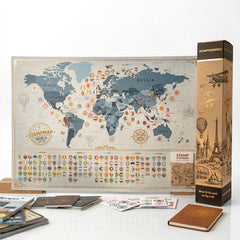



Forse qualcuno dell’ufficio qualità dovrebbe controllare il materiale prima della spedizione. La mappa pervenuta non è stata arrotolata con cura nella scatola risultante sgualcita in alcune parti.
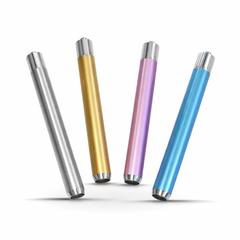
Linterna Ultravioleta - Revela los secretos de My Travel Passport
Actual rip off
We are sorry that the experience did not meet your expectations. Please send us your order number, and we will check the return options, provided the passport has not been personalized. Thank you for your feedback.
I absolutely love how beautiful this turns out for our own personal passport. Was not expecting pictures on front page was this good too. I did very few stop outside of US but I am extremely excited for what awaits us with this little navigation.